
Buying Guides
Best Stainless Steel Water Tank in Kerala: Complete Guide
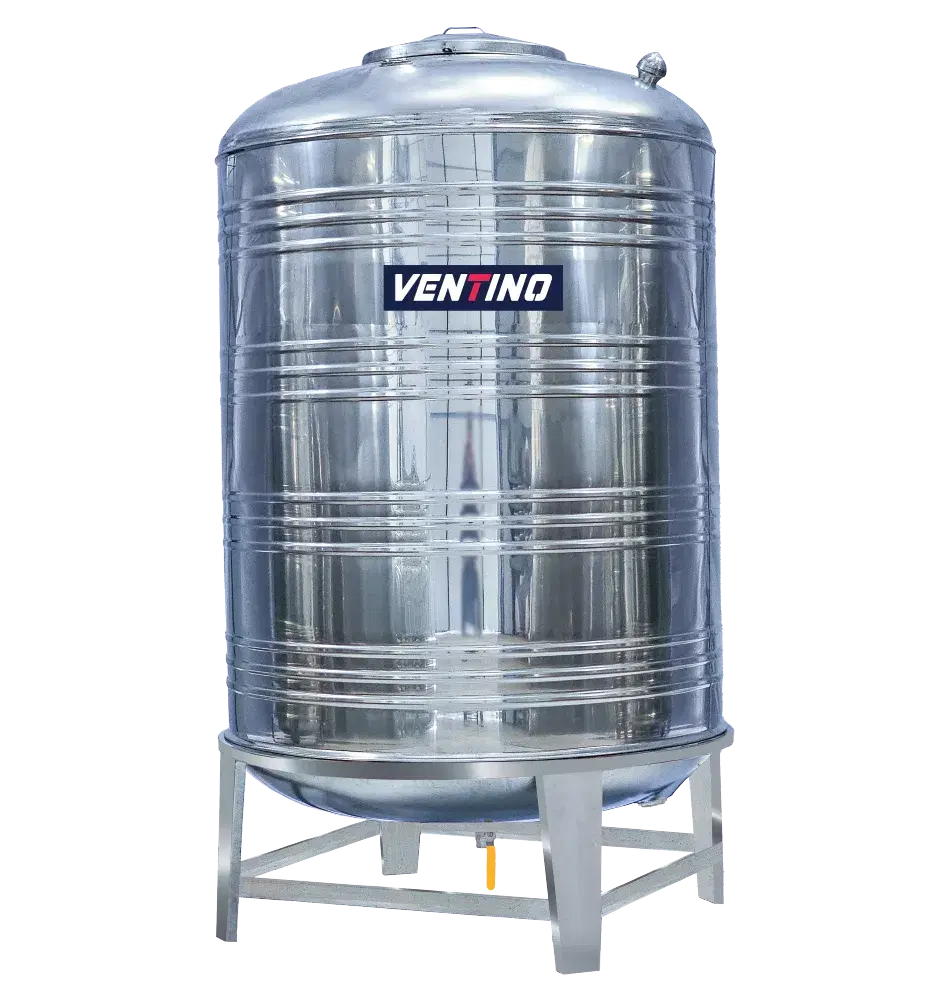
Quick Answer
For most Kerala homes, an SS304 food-grade stainless steel water tank is the best choice for drinking water storage. It resists rust and corrosion in Kerala's humid, high-rainfall climate, keeps water free of taste and odour, and typically comes with a long warranty. Choose vertical tanks for tight spaces and horizontal tanks where roof or terrace space is limited but floor space is available.
If you're comparing water tanks for your home in Kerala, you've likely run into the same question every buyer faces: plastic is cheaper, but will it hold up to Kerala's heat, humidity, and monsoon rains without turning your drinking water cloudy or off-tasting within a few years? This guide walks through what a stainless steel water tank actually is, how it compares to plastic, and exactly what to check before you buy — so you can pick a tank that lasts.
Quick Answer
For most Kerala homes, an SS304 food-grade stainless steel water tank is the best choice for drinking water storage. It resists rust and corrosion in Kerala's humid, high-rainfall climate, keeps water free of taste and odour, and typically comes with a long warranty. Choose vertical tanks for tight spaces and horizontal tanks where roof or terrace space is limited but floor space is available.
What Is a Stainless Steel Water Tank?
A stainless steel water tank is a water storage container built from sheets of stainless steel — most commonly food-grade SS304 — that are seam-welded into a sealed vessel. Unlike plastic tanks, which are rotationally moulded from a single polymer, stainless steel tanks are fabricated and welded, which is why weld quality (for example, Japanese seam welding) has a direct bearing on how long the tank lasts.
Benefits of stainless steel construction include corrosion resistance, a non-reactive surface that doesn't alter water taste or odour, resistance to UV degradation, and a mirror or brushed finish that doesn't discolour over time.
Common applications include residential rooftop and ground-level water storage, commercial buildings, hotels, hospitals, schools, and industrial facilities that need a hygienic, long-lasting water storage solution.
Why Choose Stainless Steel Over Plastic?
Plastic tanks are lighter and often cheaper upfront, but stainless steel outperforms plastic on nearly every metric that matters over the tank's lifetime.
Durability
Stainless steel resists dents, cracks, and structural failure far better than plastic, which can become brittle after years of sun exposure. A stainless steel tank holds its shape and strength through Kerala's temperature swings and monsoon downpours.
Hygiene
Food-grade stainless steel is non-porous and non-reactive, so it doesn't harbour algae or bacteria growth the way plastic can, especially when plastic tanks develop micro-scratches on the interior surface over time.
Heat Resistance
Kerala's tropical heat can soften and warp lower-grade plastics over years of direct sun exposure. Stainless steel maintains its structural integrity across a much wider temperature range.
Maintenance
Stainless steel tanks are easier to clean and do not require re-coating or UV-protective treatment the way some plastic tanks eventually do.
Lifespan
With proper installation, a stainless steel tank can be expected to outlast a comparable plastic tank by a wide margin — often by decades rather than years.
How to Choose the Right Water Tank
A handful of specifications determine whether a tank will actually serve your household well for years, not just at the time of purchase.
- Capacity: Match the tank size to your household's daily water usage and the number of occupants. Vertical tanks are available from roughly 300 to 3000 litres, and horizontal tanks from roughly 500 to 2000 litres, so there's a size for both compact and larger installations.
- Material/grade: Food-grade SS304 is the standard for most residential and commercial use. For homes near the coast, where salt air accelerates corrosion, SS316 offers additional resistance.
- Thickness: Wall thickness affects structural strength and longevity — thicker gauge steel generally means a more robust tank, particularly for larger capacities.
- Installation: Consider whether your space suits a vertical tank (smaller footprint, taller profile) or a horizontal tank (lower profile, more floor space needed) based on your rooftop, terrace, or ground-level layout.
- Warranty: A longer manufacturer warranty is a strong signal of the manufacturer's own confidence in build quality and welding standards.
- Price: Balance upfront cost against expected lifespan — a stainless steel tank's higher initial price is typically offset by decades of avoided replacement and maintenance costs.
Stainless Steel Water Tank Price
Stainless steel water tank prices vary based on several factors rather than a single fixed rate: tank capacity, steel grade (SS304 vs SS316), wall thickness, orientation (vertical vs horizontal), finish quality, warranty length, and delivery distance from the manufacturer. Larger capacities and higher-grade steel naturally cost more, but they also typically last longer, which affects the real cost per year of ownership rather than just the upfront price. For an accurate, current quote based on your specific capacity and location, it's best to check live pricing on our product pages or request a quote directly.
Which water tank is best for drinking water?
A food-grade stainless steel water tank, particularly one made from SS304, is a strong choice for storing drinking water because it is durable, corrosion-resistant, and easy to maintain.
Conclusion
For Kerala's climate — hot, humid, and monsoon-heavy — a food-grade SS304 stainless steel water tank is the more durable, hygienic, and lower-maintenance choice over plastic, even though it costs more upfront. If your home is near the coast, SS316 offers added corrosion resistance. Choose the tank orientation and capacity that fit your space and household size, confirm the manufacturer's welding quality and warranty, and you'll have a water storage solution built to last for decades rather than years.
Ready to get the right tank for your home?
Get a free quote for a Ventino SS304 stainless steel water tank, sized and priced for your needs across Kerala.
Frequently Asked Questions
What is the best water tank for Kerala homes?
An SS304 food-grade stainless steel water tank is generally the best choice for Kerala homes, since it withstands the state's heat, humidity, and heavy monsoon rainfall without rusting, cracking, or degrading, while keeping stored water hygienic.
Is stainless steel safe for drinking water?
Yes. Food-grade SS304 stainless steel is non-reactive, so it does not leach chemicals into water or affect its taste and odour, making it safe for storing drinking water.
How long does an SS water tank last?
A well-installed and maintained SS304 stainless steel water tank can last for decades, significantly longer than most plastic tanks, which degrade faster under UV exposure and temperature swings.
Is SS304 better than plastic?
For most households, yes. SS304 stainless steel is more durable, resists UV and heat damage better, does not affect water taste, and holds its structural strength over a much longer service life than plastic tanks.
Which water tank is best for Kerala?
A stainless steel tank built specifically for Kerala's climate — with food-grade SS304 (or SS316 for coastal areas), quality seam welding, and adequate wall thickness — is best suited to the state's humidity, salt exposure near the coast, and monsoon conditions.
Ready to get the right tank for your home?
Get a free quote for a Ventino SS304 stainless steel water tank, sized and priced for your needs across Kerala.